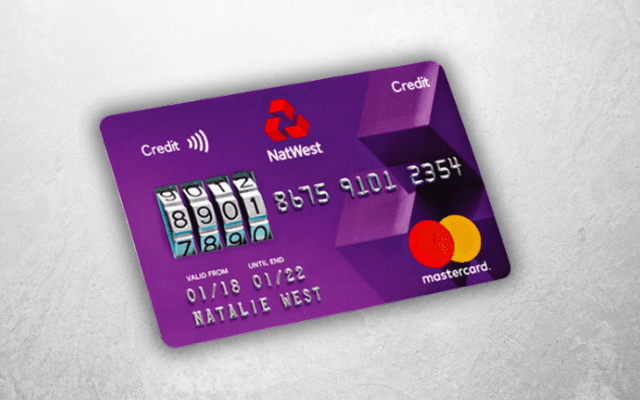


Don't waste any more time pointlessly browsing the internet in quest of occasional information about various credit cards. This page may not take you very far in your search for the perfect credit card, but if you stumble into it, it will be of enormous use to you.
Just so happens, I believe you may be in the market for the NatWest Balance Transfer Credit Card. Depending on a lot of factors, you might not be a good candidate for a credit card, but this one offers some amazing features. It is both precise and comprehensive. Now that you're presumably interested, why not continue reading to learn more?
Why do we recommend the NatWest Balance Transfer Credit Card?
The first topic we want to discuss after finishing this article is why we believe the NatWest Balance Transfer Credit Card is a smart choice. I was at a lost for words when I first heard this wonderful question. I had thought of it as a potentially good credit card, but after further research and data collection, I had a significant shift in thinking.
Compared to many credit cards created with certain groups in mind, the NatWest Balance Transfer Credit Card is a more accessible option. This suggests that it is helpful and available to a wide range of individuals—a noteworthy quality that is not as common as one may believe. The majority of consumers can find what they need from the card's many features and benefits.
Although it's not the most luxurious credit card available, it performs the necessary work to establish a solid credit history and a solid foundation. Consider it a temporary solution rather than a permanent one. This credit card can be used as a temporary fix and pave the way for future credit card applications. The most crucial thing to remember is that it's great for what it offers.
Our Opinions on the NatWest Credit Card Balance Transfer
I feel very strongly about this credit card. You know, every credit card has unique features that, upon closer inspection, might significantly alter your opinion of the product. It doesn't necessarily need to be a major feature; it may be something as straightforward as cashback or a trip incentive—anything that, in the proper situation, could truly change your life significantly.
This credit card has the potential to improve the lives of a great number of individuals, in my opinion. I won't get into the specific benefits of the card right now because you can read about them below. The main purpose of this section is to express my own inclination towards the card. Either way, I really believe it's something to consider, and I strongly advise you to apply. Send your application as soon as possible.
Learn about the advantages of the Balance Transfer Credit Card from NatWest.
Recall that I previously indicated that this credit card had benefits? These are the nice aspects; better still, I've enumerated every quality that I found impressive. Not every feature will appeal to you in the same way, but I've included everything I observed to give you a complete rundown.
- Zero Interest on Balance Transfers: Balance transfers must be started within three months in order to qualify for zero interest.
- No yearly cost: The benefit of having this credit card is that there is no yearly cost.
- Global Acceptance: This card is accepted everywhere in the world at MasterCard-accepting establishments.
Discover the drawbacks of the NatWest Balance Transfer Credit Card:
I don't necessarily agree that everything wonderful needs to end, even if it's a common observation. In my opinion, all good things must come with some unpleasant things in order to increase the value of the good things. This credit card is just that—it has benefits and drawbacks that balance each other out. Let's look into these aspects:
- Not a Very General Credit Card: This credit card's potential lack of versatility and applicability in a variety of circumstances is one of its drawbacks.
- Absence of Additional Services: The card's lack of extra services beyond its fundamental characteristics is another drawback.
Although the NatWest Balance Transfer Credit Card has certain disadvantages, you should compare them to the card's total benefits to determine whether it is the right choice for you.
How is the credit analysis for the NatWest Balance Transfer Credit Card conducted?
Do you truly understand what credit analysis is all about? Contrary to common assumption, a credit analysis is the first step towards getting a variety of financial services, not a process designed to reduce your credit score. It means creating a product with a certain value and giving it to individuals who value that same thing.
The main instrument used to gauge an individual's assessment is a credit analysis. In the financial industry, this is a crucial time. The NatWest Balance Transfer Credit Card also requires a credit investigation, but the process is straightforward. The first step is to complete the application for the card.
Following that, you wait for a response as they examine the information you provided. In order to provide insights on your financial behaviour, this study examines your previous financial transactions. You'll find out whether you have a favourable financial profile at the end of a methodical process.
Does this card have a pre-approved limit?
Given that this card is specially designed and crafted for a particular group of individuals, the pre-approved restrictions may not be as obvious. Nevertheless, this should not be taken to imply that there is no limit. Instead, after you obtain the credit card, the small print regarding the credit limit will become evident. Ensuring that the card completely suits the unique needs and circumstances of the intended user group is the primary objective.
Do you want to submit an application? Find out right away how to do that!
I strongly advise you to take immediate action by clicking on the link below for the most complete and current information on this credit card, as well as comprehensive application procedures. This direct connection not only offers comprehensive descriptions of the features and benefits of the credit card, but also will speed the application process for your convenience.